Trip coming up? Get an eSIM before you go!


Krujë in November: Quiet Stone Alleys and Fortress Views
By GjirafaTravel ·

November brings a quiet calm to Krujë as red flags begin fluttering from stone balconies ahead of the national celebrations. Visiting in late autumn allows you to wander through ancient castle grounds and stone pathways without the bustle of peak summer coach tours. You will discover unhurried artisans weaving wool on heritage looms, historic halls sheltered inside mountain citadels, and comforting plates of warm rice pudding made with aromatic autumn spices.
Why Late November Is Ideal for Krujë
Late November is one of the most rewarding moments to visit Krujë because crisp autumn air clears coastal haze while town streets prepare peacefully for Flag Day. On 28 November 1443, national hero Skanderbeg first raised his banner over this fortress, giving the town an atmospheric, patriotic spirit throughout the late autumn season.
By mid-November, the summer crowds have dispersed completely, leaving the cobbled incline open and serene. Daytime temperatures remain pleasant for uphill walking, though the mountain breeze cools rapidly once afternoon arrives. Sunset happens around 16:30, so arriving in the morning lets you enjoy long hours of bright sunlight over the valley. When connecting from central hubs like Lushnje or travelling north past Kucova, regional coaches provide a scenic link toward the foothills. You can browse schedules and coaches for Kruje to plan an easy journey without rushing.
Exploring the Historic Castle Grounds
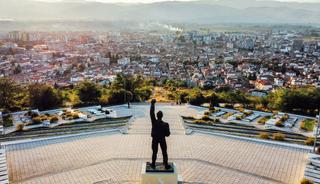
The rocky spur of Krujë Castle stands elevated above the plains, offering unhindered panoramas that stretch all the way across olive groves to the Adriatic Sea. Exploring its fortified walls reveals centuries of Albanian resistance, quiet shrines, and two exceptional museums that welcome visitors throughout the low season.
Gjergj Kastrioti Skanderbeg National Museum
Built directly into the citadel rock with imposing stone architecture, this museum tells the story of medieval battles that defined the nation. Entering around midday gives you ample time to inspect antique armor, battle paintings, and the famous goat-headed helmet replica before natural outdoor light fades. The monumental stone halls feel especially solemn during the quiet autumn months.
Krujë National Ethnographic Museum
Housed inside a preserved 18th-century fortified Ottoman manor known as a kulla, this museum demonstrates daily life in historical Krujë. You can walk through painted wooden guest chambers, inspect raki stills, and examine household olive presses. Staff provide protective shoe covers at the entrance to safeguard the polished timber floors from damp outdoor footpaths.
Dollma Tekke and the Ancient Olive Tree
Down on the lower southern slope of the ramparts stands Dollma Tekke, a historic Bektashi Sufi shrine dating back to the late eighteenth century. The quiet compound features an octagonal dome with vegetal frescoes and peaceful tombs tucked below the main citadel. Right beside the stone footpath grows an ancient olive tree associated with medieval defenders, offering a contemplative resting spot away from the primary pathways.
Wandering the Cobbled Old Bazaar
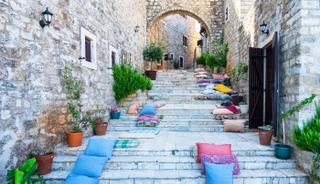
The Old Bazaar descends steeply along lanes paved with traditional calldrëm, the polished rounded river stones that give Krujë its characteristic mountain charm. Autumn brings a slower pace to this wooden marketplace, allowing curious travelers to engage directly with master craftspeople.
Because the weather is cooler, weavers and hat makers work inside their wooden stalls with doorways open to let in daylight. You can watch artisans weave vibrant geometric wool rugs on timber looms or shape unspun sheep wool into traditional white felt caps called qeleshe using hot water and soap. When planning your route through the hills, keeping bus passes organized is straightforward because digital tickets from Gjirafa Travel save directly to Apple Wallet without printing paper. Remember that wet river stones become remarkably slippery after rain showers, so sturdy shoes with rubber grip are essential for wandering these steep alleys.
Autumn Comfort Food: Tasting Traditional Kabuni
Nothing revives a traveler after an afternoon walking chilly castle battlements quite like Krujë’s signature sweet specialty, kabuni. Rooted in ancient Ottoman culinary traditions, this warm dessert combines rice fried in butter, sweetened broth made from mutton or lamb, caramelized sugar, cloves, and raisins.
Served warm in welcoming taverns around the fortress gates, kabuni presents a unique balance of savory warmth and delicate spice. Mountain kitchens also prepare seasonal autumn classics such as tavë kosi, a baked dish of tender lamb and rice blanketed under garlicky baked yogurt. Pair your feast with lakror, a thin pastry pie stuffed with wild mountain greens, for the ultimate cool-weather feast. If you enjoyed the cool mountain tavern culture of an early Korça autumn getaway, Krujë’s rich dishes will feel instantly comforting.
FAQs
Is Krujë Castle open during November?
Yes, Krujë Castle grounds remain freely accessible year-round, while both the Skanderbeg Museum and the National Ethnographic Museum maintain regular opening hours during November.
What should I wear when visiting Krujë in late autumn?
Wear warm layered clothing and shoes with deep rubber tread, as the polished river cobblestones become very slippery when wet from rain or morning dew.
How early should I arrive for a day trip to Krujë?
Plan to arrive by mid-morning to take full advantage of daylight, since November sunsets drop behind the coastal plain around 16:30.
What is traditional kabuni made with?
Kabuni is a historic Albanian dessert made with rice sautéed in butter, sweetened meat broth, caramelized sugar, raisins, and aromatic spices like cinnamon and cloves.
Can I travel to the mountain shrine of Sari Salltik in November?
You can visit Mount Krujë and the cave shrine when the skies are clear, but avoid ascending if the limestone peak is buried inside dense autumn cloud cover.
How should I organize my regional transport to Krujë?
Buses connect smoothly through major transit points like Ure Vajgurore and nearby towns, and booking ahead ensures your seat while digital tickets on Apple Wallet keep your day trip smooth.
Is the Old Bazaar open every day during low season?
Yes, artisan shops in the Old Bazaar remain open daily in autumn, with craftspeople weaving carpets and shaping felt caps inside their workshops.
Stay connected
Now you know where to go, what to eat and what to skip. But what happens when you need a map, a taxi or a quick call home? Our eSIM for Albania keeps you online from day one, so you never have to search for Wi-Fi. Since you read this far, you get a little extra: type BLOG10 when you buy it. Which place will you visit first?