Trip coming up? Get an eSIM before you go!


Gjirokastra: 3 days in a stone city you won't forget
By GjirafaTravel ·

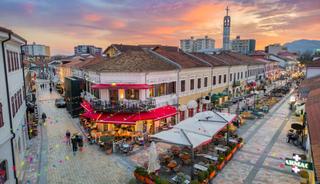
Have you ever walked into a town where even the roofs are made of stone? In Gjirokastra the grey houses climb the mountain like steps, the old streets shine after the rain, and a huge castle watches everything from the top. Ismail Kadare, Albania's most famous writer, grew up here and filled his books with these streets. Give it one weekend and you'll see why. Here's a 3-day plan: what to see slowly, where other visitors never go, and how to end it all by the sea.
Why Gjirokastra when the crowds are gone
At the end of October the town takes a breath. The big summer groups are gone, the mornings are cool and clear, and walking up and down the hills feels easy instead of hot. Two things to know: the castle closes earlier in the colder months, and the nights in a stone house get chilly, so bring a warm layer.
Getting here is the simple part. Our buses leave Tirana for Gjirokastra 11 times a day, for a ride of about 225 km through the green Drino valley. You'll find every bus to and from the town on our Gjirokastra page.
Day 1: arrive, climb, and eat like a local
From the bus station the old town is a short but steep walk uphill. This is why a backpack beats a suitcase here: wheels and old stone steps are not friends. Drop your bag at your guesthouse and head straight for the bazaar.
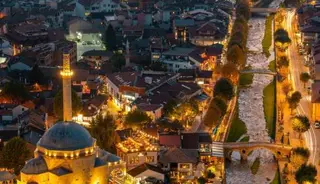
Find the little mosque at the edge of the bazaar. It is the only one of the town's many old mosques that survived the communist years, when almost every place of worship was closed or torn down. Right below it there's a small café with a bookshop full of Kadare's novels in English, German, Italian and French. If they have it, pick up Chronicle in Stone: it's his story of growing up in this very town, and reading it here feels like walking inside the book.
For dinner, go to Kujtimi, a family place with tables in a quiet garden. Order tavë kosi (lamb baked with yogurt and eggs) and a plate of qifqi, the town's own rice balls with mint, to share as a starter. Bring cash: small places like this one often don't take cards.
Day 2: the castle in the morning, a secret bridge in the afternoon
Go up to the castle early, while the light is soft and the tour groups are still on the road. Most people walk through the tunnels, take a photo of the old plane and leave. Don't. Inside the walls is the Gjirokastra Museum, and it's the best part of the visit: the story of the town told through old photos and the lives of people who still live here. Give it at least an hour. If war history isn't your thing, you can skip the weapons rooms upstairs.
After lunch, walk to the Ali Pasha Bridge, about 30 minutes from the bazaar. It's the last piece of a long stone water line built in the early 1800s to carry mountain water up to the castle. An earthquake brought most of it down in 1932, and only this tall arch is left, standing alone in the quiet hills. Most visitors never hear about it, so there's a good chance you'll have it all to yourself. If you have strong legs, make it a loop of about 8 km that comes back past the castle.
Before dark, climb to the Obelisk, the white monument on the hill above the newer part of town. From the top you see the castle, the stone roofs and the bazaar mosque all in one frame. Sunset is the moment.
Day 3: a writer's street, then the sea or home
Start the morning at Kadare's house, now a small museum with photos from his life. It sits on a narrow street that locals call the Street of Mad People. Go early and you'll often be the only visitor.
Now choose your ending. Want the sea? Our buses go from Gjirokastra down to Saranda 3 times a day, only about 50 km away, so you can have lunch by the water and watch the sun go down from the walkway by the sea. Heading home instead? Buses back to Tirana leave more than ten times a day. Either way, book the last ride the night before and keep your ticket in Apple Wallet, so it's there even if the signal drops in the valley.
Small tricks that make the weekend easier
Wear shoes with grip. The old stones are smooth and get slippery after rain, especially on the way down.
Carry cash in lek. Many small restaurants, cafés and museums don't take cards.
Sleep in the old town. Staying up the hill saves you from climbing it again every evening.
Castle in the morning, walks in the afternoon. The castle closes earlier in the colder months, and the bridge trail is lovely in the softer late light.
Do's and don'ts in the stone city
Do look up. The roofs are made of thin stone plates, and every house is a little different.
Do say "mirëdita" (good day) when you walk into a shop. People here notice, and they smile.
Don't walk to the Ali Pasha Bridge in flip-flops. The path is rocky in places.
Don't leave the castle museum for the last hour before closing. You'll want more time than you think.
FAQs
Is Gjirokastra worth visiting in October?
Yes. It's cooler, quieter and perfect for walking. Just remember that the castle closes earlier than in summer, and evenings can be cold.
How many days do I need in Gjirokastra?
Two full days are enough for the castle, the bazaar and the bridge. A third day lets you add Kadare's house and a slow afternoon by the sea in Saranda.
Do I need cash in Gjirokastra?
Yes, bring some lek. Many small places in the old town are cash only.
Can I walk everywhere?
The old town, the castle, the Obelisk and the Ali Pasha Bridge are all on foot. The streets are steep, so take it slowly and wear good shoes.
Can I see the sea on the same trip?
Easily. Saranda is only about 50 km away, and our buses go there 3 times a day.
Do I need a printed bus ticket?
No. Our tickets are digital, and on an iPhone you can keep yours in Apple Wallet, always ready when you need it.
Stay connected
So, is your bag packed yet? Before you go, there's one thing you shouldn't leave home without: internet that works the moment you arrive. Get our eSIM for Albania and forget about hunting for Wi-Fi or buying a local SIM card. You stayed with us until the very last line, so here's something just for you: use the code BLOG10 when you buy it. Ready to go?